The Environmental Standards Observed in a Modern Door Lock Factory
Nov. 16, 2026
This article explores the comprehensive environmental standards implemented at Yorfan Technology Co., Ltd., a modern door lock factory specializing in smart lock solutions. The factory demonstrates a strong commitment to sustainability through various initiatives. It uses eco-friendly materials like recyclable aluminum alloys and stainless steel, avoids hazardous substances, and sources materials from responsible suppliers. Energy efficiency is prioritized with LED lighting, energy-efficient machinery, and solar panels, reducing reliance on fossil fuels. Robust waste management protocols ensure recycling and minimal landfill contributions, while water conservation and pollution prevention measures protect local resources. Product design emphasizes durability, low energy consumption, and recyclability, with features like long battery life and modular construction. Employee engagement and certified management systems (ISO 14001, ISO 9001) ensure standards are upheld. The article highlights that environmental standards bring economic benefits, such as reduced operational costs and a stronger brand reputation, and create opportunities in green markets. Yorfan Technology's proactive approach, including future goals for carbon neutrality, serves as a model for sustainability in the manufacturing industry, proving that security and environmental responsibility can coexist effectively.
In an era where environmental consciousness is no longer optional, industries across the globe are reevaluating their manufacturing processes to minimize ecological footprints. The door lock manufacturing sector, though often associated with mechanical precision and security, is also embracing sustainable practices. Yorfan Technology Co., Ltd., a professional enterprise focusing on smart lock solutions, stands as a prime example of how modern factories integrate environmental standards into everyday operations. This article delves into the multifaceted environmental standards observed at Yorfan Technology's production facilities, highlighting their commitment to sustainable manufacturing without compromising on security or innovation.
The Foundation of Environmental Responsibility
At the core of Yorfan Technology's manufacturing philosophy lies a deep-seated commitment to environmental stewardship. The company recognizes that producing high-quality smart locks—ranging from residential smart locks to hotel locks, office access control locks, and locker locks—carries an inherent responsibility to protect the environment. This commitment is woven into every stage of the production process, from raw material sourcing to final assembly. By adhering to high-quality standards and user-oriented concepts, Yorfan Technology ensures that their environmental initiatives do not interfere with product excellence but rather enhance it.
One of the first environmental standards observed is the implementation of a comprehensive environmental management system. This system is designed to monitor and reduce the factory's carbon footprint, waste generation, and energy consumption. Regular audits are conducted to ensure compliance with international environmental regulations, such as ISO 14001. These audits not only verify adherence to legal requirements but also identify areas for continuous improvement. The factory's dedication to environmental responsibility is evident in its transparent reporting and proactive approach to sustainability challenges.
Eco-Friendly Materials and Sustainable Sourcing
A modern door lock factory's environmental impact is significantly influenced by the materials it uses. Yorfan Technology prioritizes the use of eco-friendly materials in the production of their smart locks. For instance, the casings of many locks are made from recyclable aluminum alloys and high-grade stainless steel, which are not only durable but also fully recyclable at the end of their life cycle. The company also avoids the use of hazardous substances such as lead, mercury, and cadmium, in compliance with the Restriction of Hazardous Substances (RoHS) directive.
Sustainable sourcing is another key aspect. Yorfan Technology works closely with suppliers who share their environmental ethos. This means sourcing raw materials from certified suppliers that adhere to responsible mining and forestry practices. The company also optimizes packaging to reduce waste. By using minimalistic, recyclable packaging materials, they significantly lower the environmental burden associated with transportation and product delivery. The shift towards sustainable materials not only benefits the planet but also enhances the perceived value of the products, as consumers increasingly favor environmentally responsible brands.
Energy Efficiency and Renewable Energy Adoption
Energy consumption is a major concern for any manufacturing facility. Yorfan Technology has taken significant strides to reduce energy usage in their factory. The production lines are equipped with energy-efficient machinery and LED lighting systems that consume up to 50% less energy than traditional lighting. Motion sensors are installed in storage areas and meeting rooms to ensure that lights are only used when needed. Additionally, the factory has invested in smart energy management systems that track real-time energy consumption, allowing for immediate identification and correction of inefficiencies.
Beyond efficiency, the company has embraced renewable energy sources. Solar panels installed on the factory rooftop generate a substantial portion of the facility's electricity, reducing reliance on fossil fuels. During peak production hours, these panels supply a significant amount of power, and any surplus is fed back into the local grid. This initiative not only lowers operational costs but also demonstrates a tangible commitment to reducing greenhouse gas emissions. As a result, Yorfan Technology's factory operates with a smaller carbon footprint compared to conventional lock manufacturers.
Waste Management and Recycling Protocols
Waste management is a critical environmental standard in any manufacturing setting. Yorfan Technology has implemented a robust waste segregation system that categorizes waste into recyclable, reusable, and hazardous streams. Metal scraps from the machining process are collected and sent to recycling facilities, where they are melted down and repurposed for new products. Plastic waste is similarly sorted and recycled, with a goal of achieving zero waste to landfill by 2030.
The factory also emphasizes the reduction of waste at the source. Through lean manufacturing principles, they have optimized material usage, reducing offcuts and defective parts. This not only minimizes waste but also lowers production costs. For hazardous waste, such as used lubricants and electronic components, the company follows strict disposal protocols in partnership with certified waste management companies. Employees are trained on proper waste handling procedures, ensuring that environmental standards are upheld at every level.
Water Conservation and Pollution Prevention
Water is a precious resource, and its conservation is an integral part of Yorfan Technology's environmental program. The factory has installed water-efficient fixtures in restrooms and break areas, and the cooling systems for machinery use closed-loop water circulation to minimize water wastage. Additionally, the company treats any wastewater generated during the manufacturing process in an on-site treatment facility before it is released, ensuring that it meets or exceeds environmental safety standards. This prevents water pollution and protects local water bodies.
Pollution prevention extends beyond water. The factory's painting and coating processes utilize powder coating technology, which emits fewer volatile organic compounds (VOCs) compared to traditional liquid paints. The use of low-VOC adhesives and cleaning agents further reduces air pollution. Air filtration systems are installed in work areas to capture any particulate matter, ensuring a clean and safe working environment for employees while minimizing the factory's impact on the surrounding community.
Product Design for Environmental Impact
Environmental standards are not limited to the production floor; they are also embedded in the design of the products themselves. Yorfan Technology's smart locks are engineered to be energy-efficient, which directly contributes to environmental sustainability. For example, the low energy consumption design with long standby time ensures that batteries last for extended periods, reducing the number of batteries discarded over the product's lifetime. Some locks feature a low battery alarm that reminds users to recharge, further extending component life.
The durability of Yorfan's locks is another environmental boon. With strict quality control and multi-round product testing, the locks are built to last, reducing the frequency of replacements and the associated waste. The modular design of many locks allows for easy repair and component replacement, so that a faulty fingerprint sensor or keypad does not necessitate replacing the entire unit. This design philosophy aligns with the principles of a circular economy, where products are kept in use for as long as possible.
Additionally, Yorfan Technology offers a wide range of products for option, from RFID hotel locks to Bluetooth and Wi-Fi locks, locker locks, and access control units. These products are designed with advanced anti-theft technology, stable smart connection, and minimalist design, which not only enhance security but also ensure that the manufacturing process generates minimal waste. The company's commitment to smart management features, such as temporary passcodes and access records, reduces the need for physical keys, which in turn lessens the environmental impact of metal key production.
Employee Engagement and Green Culture
No environmental standard can be successfully implemented without the active participation of employees. Yorfan Technology fosters a green culture by conducting regular training sessions on environmental sustainability and encouraging employees to suggest eco-friendly improvements. The factory has a dedicated sustainability committee that organizes tree-planting events, recycling drives, and energy-saving campaigns. Employees are rewarded for innovative ideas that reduce waste or energy consumption, reinforcing the importance of environmental responsibility.
The company also promotes sustainable commuting options for its workforce. Bicycle racks, carpooling incentives, and shuttle services for employees using public transportation are just a few examples. By reducing the carbon footprint associated with employee commuting, the factory extends its environmental standards beyond its own walls. This holistic approach demonstrates that Yorfan Technology views environmental stewardship as a collective responsibility, not just a management mandate.
Compliance with International Standards and Certifications
To ensure that its environmental standards are world-class, Yorfan Technology adheres to a number of international certifications. In addition to ISO 14001 for environmental management, the company holds ISO 9001 for quality management, ensuring that environmental practices do not compromise product quality. Many of their products are CE and FCC certified, indicating that they meet European and American environmental and safety regulations. The factory also complies with the Waste Electrical and Electronic Equipment (WEEE) directive, which mandates proper recycling and disposal of electronic products.
Yorfan Technology's commitment to environmental standards is further demonstrated through their participation in global sustainability initiatives. The company regularly publishes reduce-reuse-recycle reports and sets annual environmental targets. For instance, they have pledged to cut energy consumption per unit of production by 20% over the next five years. By aligning their operations with internationally recognized standards, Yorfan Technology not only ensures legal compliance but also builds trust with environmentally conscious customers and partners.
Smart Technology as an Enabler of Sustainability
Yorfan Technology's focus on smart lock solutions lends itself naturally to environmental sustainability. Smart locks, with their keyless convenience, eliminate the need for physical keys, which are typically made of metal and require significant resources to produce. By supporting RFID, password, fingerprint, Bluetooth, and app remote unlocking, these locks reduce the demand for raw materials. Moreover, the smart management features, such as access records and temporary passwords, optimize security while minimizing energy usage.
In the factory setting, smart technology is used to monitor environmental performance. Sensors track temperature, humidity, and air quality, and this data is analyzed to optimize the use of heating, ventilation, and air conditioning (HVAC) systems. This results in substantial energy savings. Additionally, the factory uses IoT-enabled devices to manage inventory and production schedules, reducing idle times and ensuring that machinery is only operational when needed. This intelligent approach to manufacturing is a testament to how smart technology can drive environmental innovation.
Furthermore, the long battery life and low power reminder features of Yorfan's locks contribute to reduced battery waste. In traditional locks, drained batteries are often discarded, but with the low power reminder, users are prompted to recharge batteries, extending their usable life. The auto lock and child safety modes are not only convenient but also ensure that locks operate efficiently, reducing wear and tear. This focus on energy efficiency is a direct reflection of Yorfan Technology's commitment to environmental standards.
Case Study: The Production of a Smart Cabinet Lock
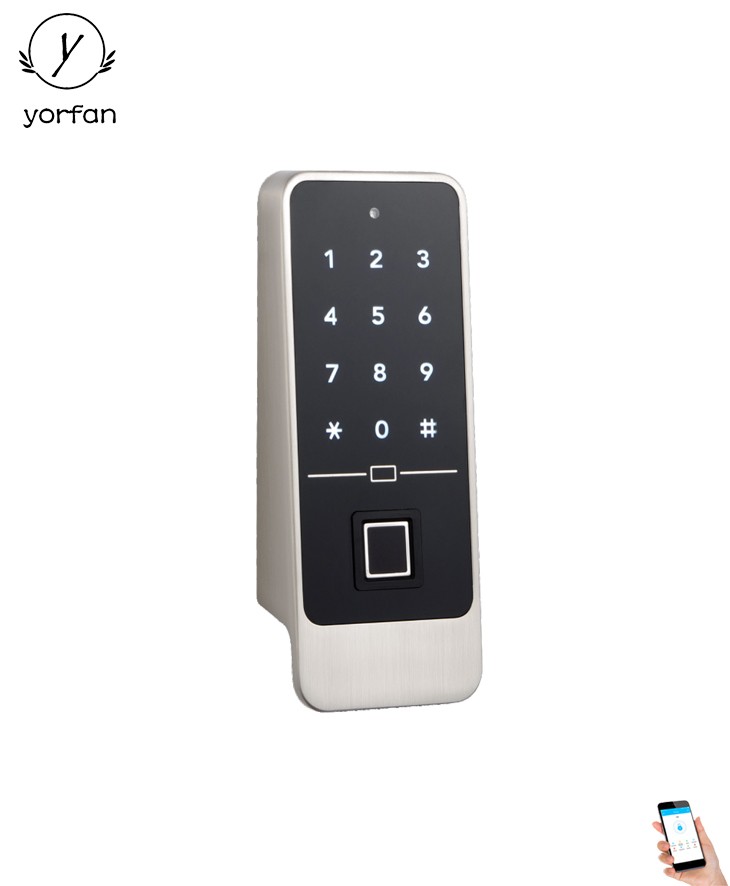
To illustrate the environmental standards in action, consider the production process of a typical smart cabinet lock from Yorfan Technology. The lock is designed to offer keyless convenience, with options for password, fingerprint, or app-based unlocking. It is suitable for cabinets, lockers, drawers, wardrobes, and storage cabinets, and features simple installation with no complicated wiring. From an environmental perspective, this product embodies the principles of durability, low energy consumption, and minimal waste.
In the factory, the lock's components are made from recyclable materials. The casing is die-cast from aluminum alloy, and the internal electronic circuits are manufactured using lead-free solder. The battery compartment is designed for easy access, allowing users to replace or recharge batteries without disposing of the entire unit. The lock undergoes rigorous testing for durability and security, including anti-pick, anti-pry, and anti-theft design, as well as wrong entry limit and automatic locking to prevent unauthorized access. These tests ensure that the product has a long service life, reducing the need for replacements.
The packaging for this lock is another example of environmental consideration. It is made from recycled cardboard and printed with soy-based inks. The packaging is designed to be minimal, reducing material usage while still protecting the product during transit. The factory's waste management system ensures that any packaging scraps are recycled. The entire production line for this lock operates with energy-efficient machinery, and the solar panels on the factory roof offset a portion of the energy used. This case study demonstrates how environmental standards are integrated at every step, from component production to final delivery.
Continuous Improvement and Future Goals
Yorfan Technology recognizes that environmental standards are not static; they require continuous improvement. The company regularly reviews its environmental performance and sets ambitious targets for the future. One such goal is to achieve carbon neutrality for its factory by 2040. To reach this, they plan to increase the use of renewable energy, improve energy efficiency further, and explore carbon offsetting initiatives. They also aim to introduce more recycled materials into their products, with a target of using 30% recycled content in all lock casings by 2030.
The company is also investing in research and development for more sustainable materials, such as bioplastics derived from plant sources. These materials have a lower carbon footprint than traditional petroleum-based plastics and are biodegradable at the end of their life. Yorfan Technology collaborates with universities and research institutions to stay at the forefront of environmental innovation. By fostering an open culture of sustainability, they are not only improving their own factory but also influencing the broader industry to adopt higher environmental standards.
Another key initiative is the extension of environmental standards throughout the supply chain. Yorfan Technology conducts environmental audits of its suppliers, ensuring that they also comply with environmental regulations and sustainable practices. By working closely with suppliers to reduce emissions and waste, the company creates a ripple effect that amplifies the positive environmental impact. This approach is crucial for achieving systemic change in the manufacturing sector.
The Role of Customers in Promoting Environmental Standards
While the factory plays a crucial role, customers also have a part to play in promoting environmental standards. Yorfan Technology educates its customers about the environmental benefits of their products, such as the long battery life and the option for temporary passcodes, which reduces the need for physical keys. By choosing smart locks that are durable, energy-efficient, and made from recyclable materials, customers contribute to reducing the environmental footprint of the security industry.
The company also encourages customers to properly dispose of locks at the end of their life cycle. Many of Yorfan's products are designed for easy disassembly, allowing for the recycling of metal and electronic components. The company provides take-back programs in certain regions, where customers can return old locks for responsible recycling. This cradle-to-cradle approach ensures that the environmental standards observed at the factory extend to the entire product lifetime.
Moreover, Yorfan Technology promotes the use of smart management features to reduce energy consumption in building environments. For example, their office access control locks can be programmed to automatically lock doors after hours, ensuring that heating or cooling systems are not wasted. The access records feature allows businesses to optimize occupancy and energy usage. By integrating smart locks into broader building management systems, Yorfan Technology helps customers achieve their own sustainability goals.
Challenges and Solutions in Implementing Environmental Standards
Implementing environmental standards in a modern door lock factory is not without challenges. One of the primary challenges is balancing environmental goals with cost and performance. Eco-friendly materials are sometimes more expensive and may require different manufacturing processes. However, Yorfan Technology has found that the long-term benefits, including energy savings and brand reputation, outweigh the initial costs. They are also able to offer cost-effective products through optimized supply chain and production costs, making sustainability accessible to a wider market.
Another challenge is ensuring that environmental standards are maintained during peak production periods. The factory utilizes advanced production planning software to manage workloads and prevent overproduction, reducing waste and energy consumption. Employee turnover can also pose a challenge, as new workers may not be familiar with environmental protocols. To address this, Yorfan Technology incorporates environmental training into the onboarding process and provides regular refresher courses.
Finally, the fast pace of technological change means that environmental standards must evolve. Yorfan Technology stays up-to-date with the latest advancements in green manufacturing, such as the adoption of additive manufacturing (3D printing) for prototyping, which reduces material waste. By being proactive rather than reactive, the company avoids the pitfalls of outdated practices and sets an example for others.
Measuring and Reporting Environmental Performance
Transparency is a hallmark of Yorfan Technology's environmental approach. The factory measures key performance indicators (KPIs) such as energy consumption, water usage, waste generation, and carbon emissions. These metrics are tracked monthly and reported annually in a sustainability report, which is publicly available. The report details the progress towards goals and highlights any setbacks, demonstrating accountability.
In addition to internal reporting, Yorfan Technology participates in third-party environmental assessments and benchmarks. The factory has received positive evaluations from environmental auditors and has been recognized with awards for its sustainability efforts. This external validation is important for building trust with stakeholders and for continuous improvement. The company also engages with local communities to share their environmental initiatives and promote environmental awareness beyond the factory gates.
The integration of environmental standards into the overall business strategy is crucial. Yorfan Technology's management reviews environmental performance alongside financial metrics, ensuring that sustainability is not an afterthought. By setting clear KPIs and tying them to employee performance evaluations, the company reinforces the importance of environmental responsibility at every level of the organization.
The Economic Benefits of Environmental Standards
Some may view environmental standards as a burden, but Yorfan Technology has found that they bring significant economic benefits. The reduction in energy and water consumption directly lowers operational costs. Waste minimization reduces disposal fees and the need for raw materials, resulting in cost savings. Additionally, the company's reputation as an environmentally responsible manufacturer attracts eco-conscious consumers and business partners, leading to increased sales and market share.
The use of durable, long-lasting products also enhances customer satisfaction and reduces warranty claims. When products are built to last, the company spends less on repairs and replacements, improving profitability. Moreover, compliance with environmental regulations avoids penalties and the risk of production shutdowns. By investing in environmental standards, Yorfan Technology has created a win-win situation for the planet and for their business.
Furthermore, the company's commitment to sustainability has opened up new market opportunities. For instance, many hotels and offices now prioritize green procurement policies, and Yorfan Technology's environmentally friendly locks are attractive to these customers. The company also offers customization services that cater to specific environmental needs, such as locks made from reclaimed wood for a rustic aesthetic or solar-powered locks for remote locations. These niche markets provide a competitive edge.
Collaboration and Community Involvement
Yorfan Technology believes that environmental standards are best advanced through collaboration. The factory partners with local environmental organizations to support conservation projects. They also engage in corporate social responsibility initiatives, such as installing smart locks in community centers and schools to enhance security while demonstrating the benefits of sustainable technology. The company's employees are encouraged to volunteer in environmental clean-up activities, fostering a sense of pride and purpose.
On a broader scale, Yorfan Technology participates in industry associations focused on sustainability in the security sector. They share best practices and contribute to the development of industry-wide environmental guidelines. By working together with peers, the company amplifies its impact and helps raise the bar for environmental standards across the entire manufacturing industry. This collaborative spirit is a testament to the company's commitment to a sustainable future.
In conclusion, the environmental standards observed in Yorfan Technology's modern door lock factory are comprehensive and deeply integrated into the company's operations. From the selection of eco-friendly materials to the implementation of energy-efficient processes and the design of durable, low-power products, every aspect is aligned with sustainability. The factory's achievements in waste reduction, water conservation, and pollution prevention showcase its role as a responsible manufacturer. Moreover, the economic benefits and positive community impact demonstrate that environmental responsibility is not only ethical but also advantageous. As Yorfan Technology continue to push the boundaries of innovation, they serve as a model for the industry, proving that security and sustainability can go hand in hand.
By observing these standards, Yorfan Technology not only produces high-quality smart locks but also contributes to a healthier planet. Their ongoing commitment to environmental improvement, backed by international certifications and a green corporate culture, ensures that they remain at the forefront of sustainable manufacturing. For customers, choosing Yorfan Technology means aligning with a company that values both safety and the environment, making a positive difference one smart lock at a time.