How a Wi-Fi Lock Manufacturer Ensures Secure Over-the-Air Updates
Nov. 03, 2026
This article examines how Yorfan Technology Co., Ltd, a leading smart lock manufacturer, ensures secure over-the-air (OTA) updates for its Wi-Fi lock products. It begins by emphasizing the critical importance of OTA update security in an era of smart home connectivity, highlighting the risks of malicious firmware injection and the necessity of a multi-layered defense. The article details Yorfan's comprehensive security framework, which includes cryptographic signing and verification using hardware security modules, encrypted transmission over TLS with certificate pinning, secure boot mechanisms, rollback protection, device authentication, and authorization protocols. Staged rollouts and continuous monitoring are also discussed as key strategies to minimize risk and ensure stability. Furthermore, the article outlines complementary security features of Yorfan locks, such as keyless unlocking, anti-pick and anti-theft designs, temporary passcodes, real-time access logs, auto-lock, and child safety modes. It emphasizes the company's adherence to strict quality control, industry certifications, and transparent user notification practices. The summary also touches on how Yorfan overcomes challenges like compatibility issues, interrupted updates, and bandwidth limitations through robust recovery mechanisms and incremental updates. The article concludes by highlighting Yorfan's dedication to continuous innovation and its vision for building a safer, smarter living experience, positioning secure OTA updates as an indispensable element in maintaining the trust and security of users' smart lock devices.
In the rapidly evolving landscape of smart home technology, Wi-Fi locks have become a cornerstone of modern security. These devices offer unparalleled convenience, allowing users to control access remotely, monitor entry logs, and share temporary credentials with ease. However, with great connectivity comes great responsibility. The ability to update firmware over the air (OTA) is a double-edged sword: while it enables continuous improvement and patching of vulnerabilities, it also introduces significant security risks if not implemented meticulously. This article delves into the practices of Yorfan Technology Co., Ltd, a professional enterprise specializing in smart lock solutions, to understand how a leading manufacturer ensures secure over-the-air updates for its Wi-Fi lock products.
Yorfan Technology Co., Ltd, hereinafter referred to as Yorfan Technology, is committed to integrating innovative technology with home and commercial security. Their product lines span residential smart locks, hotel locks, office access control locks, locker locks, and supporting smart security devices. With advanced anti-theft technology, stable smart connections, and minimalist design, they continually upgrade their offerings to meet the evolving needs of safe living and efficient management. The company's dedication to high-quality standards and user-oriented concepts is evident in every facet of their operations, particularly in the security architecture of their OTA update process.
The Importance of Secure OTA Updates
Over-the-air updates are essential for any connected device, including Wi-Fi locks. They allow manufacturers to fix bugs, enhance features, and patch security vulnerabilities without requiring physical access to the device. For a security product like a lock, the integrity of this process is paramount. If an attacker can compromise an OTA update, they could inject malicious firmware that disables locking mechanisms, exfiltrates access codes, or turns the lock into a surveillance tool. Therefore, a robust OTA update mechanism is not just a convenience; it is a critical component of the product's overall security posture.
For Yorfan Technology, securing OTA updates begins with a holistic view of the firmware lifecycle. From development to deployment, every stage is guided by principles of zero trust, encryption, and authenticity. The company recognizes that a single oversight could undermine the trust customers place in their smart lock solutions. Consequently, they have implemented a multi-layered security framework that ensures only legitimate, signed firmware can be installed on their devices.
Yorfan Technology's Approach to Secure OTA Updates
Cryptographic Signing and Verification
One of the foundational pillars of Yorfan's OTA security is cryptographic signing. Each firmware release is digitally signed using a private key held exclusively by the manufacturer. The corresponding public key is embedded in the device's secure bootloader during production. When an OTA update is received, the bootloader verifies the digital signature before allowing the new firmware to be installed. This ensures that the update originates from Yorfan Technology and has not been tampered with during transmission.
The signing algorithm employed is based on industry-standard protocols such as RSA or ECC, with key lengths that provide robust protection against brute-force attacks. Furthermore, Yorfan adopts a secure key management system, storing private keys in hardware security modules (HSMs) and rotating them periodically. This minimizes the risk of key compromise and enables the revocation of compromised keys if necessary.
Encrypted Update Transmission
To prevent eavesdropping and man-in-the-middle attacks during the download process, all OTA update files are transmitted over encrypted channels. Yorfan uses TLS (Transport Layer Security) with certificate pinning to ensure that the device communicates directly with the official update server. Even if an attacker intercepts the data, they cannot decrypt the payload without the appropriate session keys. This end-to-end encryption protects the confidentiality and integrity of the update file from the server to the device.
Additionally, Yorfan's update servers are protected by robust access controls and intrusion detection systems. The company conducts regular security audits and penetration testing to ensure that the infrastructure itself is not a weak link. By securing the entire update channel, Yorfan ensures that the firmware package reaches the device exactly as intended.
Secure Boot and Rollback Protection
Yorfan's devices are equipped with a secure boot process that verifies the authenticity and integrity of every firmware image before execution. This prevents the loading of unauthorized or corrupted firmware, even if an attacker manages to overwrite the storage. The bootloader checks the signature of each firmware image and only proceeds if the verification passes. This creates a chain of trust from the initial boot to the application runtime.
Rollback protection is another critical feature. Yorfan configures its devices to reject firmware updates that are older than the currently installed version. This prevents attackers from downgrading the firmware to a previous version that may have known vulnerabilities. Each firmware image includes a monotonically increasing version number, and the device's secure storage records the minimum allowed version. Any attempt to install an older version is blocked.
Device Authentication and Authorization
Before an OTA update is pushed to a specific device, Yorfan authenticates the device's identity. Each lock has a unique device certificate and private key, provisioned at manufacturing time. The update server verifies this certificate during the update request to ensure that the device is genuine and not a clone. This mutual authentication prevents attackers from tricking the server into sending malicious updates to legitimate devices or from substituting a rogue device into the network.
Authorization is also enforced: only devices registered with the user's account are eligible for updates. In the event of a device change or ownership transfer, the old owner's authorization is revoked, and the new owner must re-register the device. This ensures that no unauthorized party can initiate an OTA update on a lock they do not own.
Staged Rollout and Monitoring
To minimize the impact of any undiscovered issues, Yorfan adopts a staged rollout strategy for OTA updates. New firmware is initially released to a small percentage of devices (e.g., beta testers or a selected cohort) and monitored for anomalies. If no problems are detected within a predefined period, the rollout is gradually expanded to the full fleet. This approach limits exposure to potential bugs or security flaws and allows the company to react quickly if issues arise.
Monitoring systems track update success rates, device performance, and security incidents in real-time. If a specific firmware version exhibits abnormal behavior, Yorfan can halt the rollout and issue an emergency fix. This proactive monitoring ensures that any problems are identified and addressed before they can be exploited by malicious actors.
User Notification and Consent
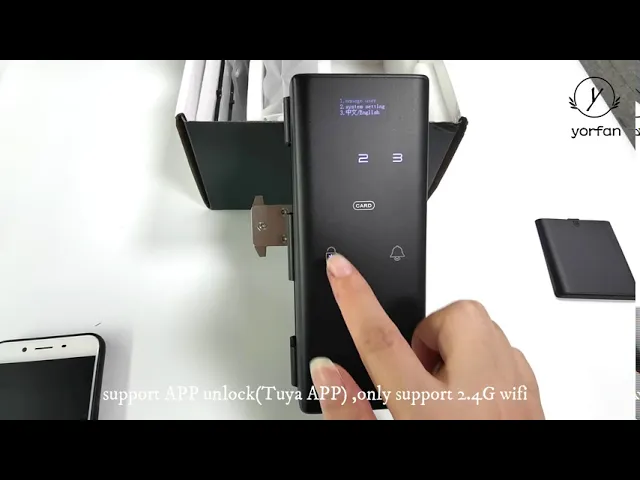
Yorfan believes in transparency and user control. When an OTA update is available, the user receives a notification through the companion mobile app. The notification includes details about the update, such as version number, changes, and security improvements. Users have the option to postpone the update or install it immediately, depending on their preferences. However, Yorfan strongly recommends updating promptly to benefit from the latest security patches.
For critical security updates, Yorfan may automatically push the update to devices, but even then, the device will prompt the user to acknowledge the update before proceeding. This approach respects user autonomy while ensuring that security holes are closed in a timely manner. In scenarios where a device is in use (e.g., locked), the update is scheduled to occur when the lock is idle to avoid disrupting normal operations.
Post-Update Verification
After an OTA update is installed, the device performs a self-test to verify the integrity of the new firmware. It checks the cryptographic hash of the installed image and confirms that all security parameters are correctly configured. If the verification fails, the device reverts to the previous firmware automatically, ensuring that the lock remains functional and secure. This self-healing capability is crucial for maintaining uninterrupted security service.
Yorfan also collects anonymous diagnostic data from devices to monitor the health of the firmware. This data helps the company identify potential issues early and plan future updates. The collected information is used solely for product improvement and is handled in compliance with data protection regulations.
Complementary Security Features of Yorfan Lock Products
Secure OTA updates are only one aspect of a comprehensive security strategy. Yorfan's Wi-Fi locks incorporate a host of additional security features that protect users' physical and digital safety.
Keyless Unlocking with Multiple Authentication Methods
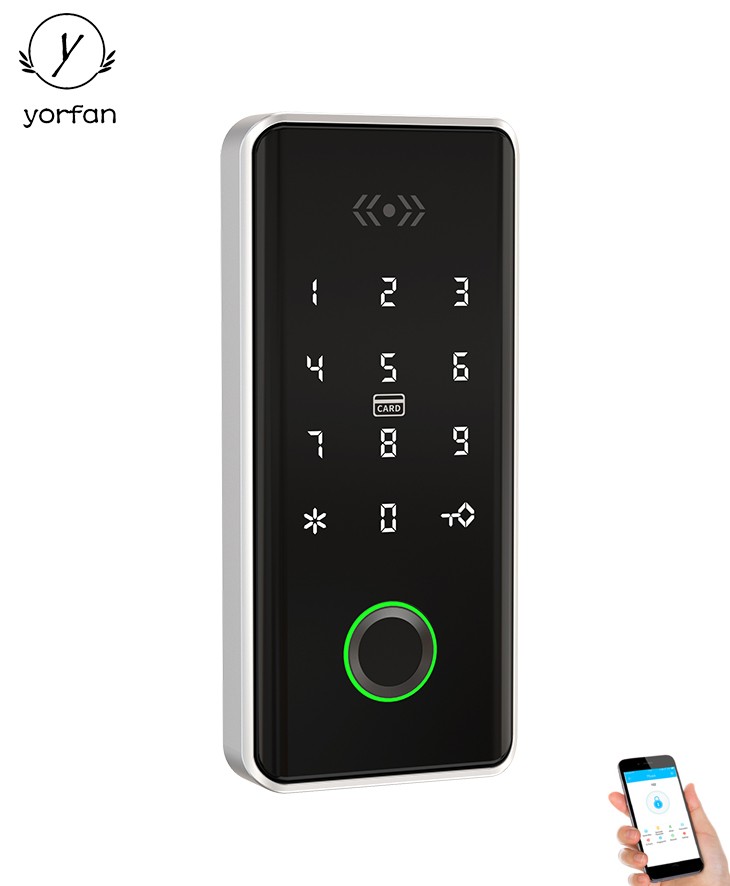
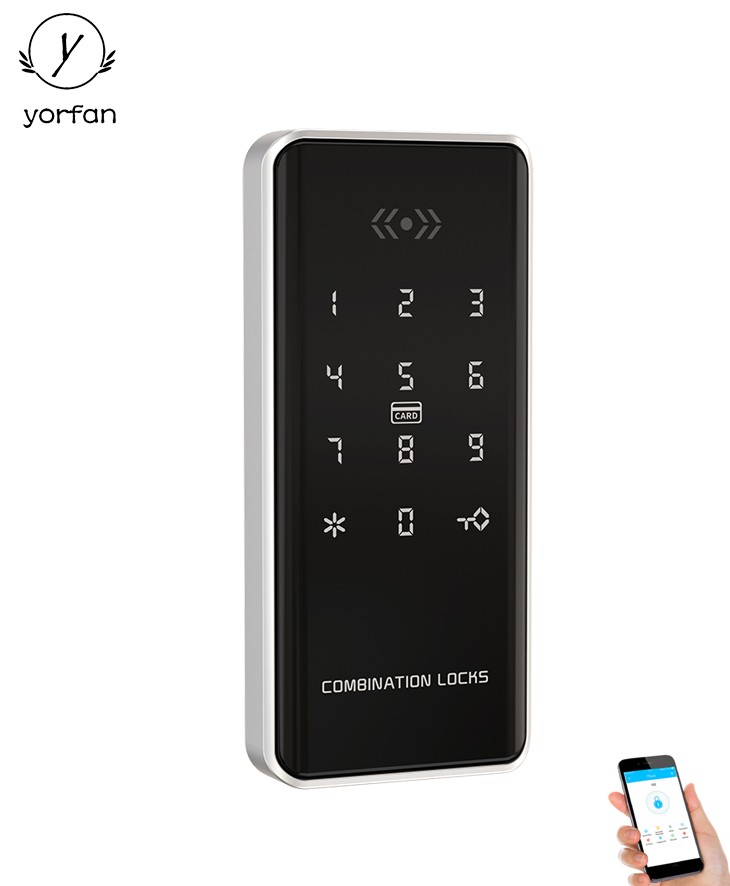
Yorfan locks support RFID cards, passwords, fingerprints, Bluetooth, and app-based remote unlocking. This eliminates the need for mechanical keys, reducing the risk of unauthorized key duplication. Each authentication method is protected by robust encryption and anti-spoofing technologies. For example, fingerprint sensors are equipped with liveness detection to prevent fake fingerprint attacks, and password entry allows for virtual passwords to avoid shoulder surfing.
High-Security Protection Mechanisms
The locks are designed with anti-pick, anti-pry, and anti-theft features. The locking mechanism is reinforced to resist physical tampering. Additionally, the wrong-entry limit function automatically locks the device after a certain number of failed attempts, preventing brute-force password guessing. This automatic locking also deters unauthorized access and alerts the owner via the app.
Smart Access Management
Users can generate temporary passcodes or one-time passwords for guests, service providers, or delivery personnel. This allows controlled access without compromising the primary credentials. Access records are logged in real-time and can be viewed remotely, enabling users to monitor who enters and exits. This feature is particularly valuable for commercial applications such as hotel locks and office access control.
Long Battery Life and Low-Power Reminders
Yorfan's products are engineered for low energy consumption, providing long standby times. A low-battery alarm notifies users early via the app and on the lock itself, ensuring timely charging or battery replacement. Emergency power supply options are also available, such as a physical key override or a USB-C auxiliary power port, so that users are never locked out.
Auto-Lock and Child Safety
The auto-lock feature automatically secures the door after closing, ensuring that the property is always protected. Safety mode is designed to prevent children from accidentally locking themselves inside, giving parents peace of mind. These intuitive features enhance convenience without compromising security.
Easy Installation and Wide Compatibility
Yorfan locks are suitable for cabinets, lockers, drawers, wardrobes, and storage cabinets. The wireless design and straightforward installation process require no complex wiring, making them accessible for both residential and commercial users. The wide range of products—including RFID hotel locks, Bluetooth locks, Wi-Fi locks, locker locks, and access control units—ensures that Yorfan can offer tailored solutions for any scenario.
Quality Control and Customization
Yorfan Technology adheres to strict quality control standards, implementing standardized production and multi-round product testing. Each device undergoes rigorous testing for functionality, durability, and security before leaving the factory. This ensures that the hardware is reliable and capable of withstanding the demands of daily use.
The company also offers customization services to meet specific customer requirements. Whether it is a unique design, specialized functionality, or specific integration needs, Yorfan works closely with clients to deliver cost-effective solutions. Their professional after-sales support includes a comprehensive system with fast response times and one-stop technical assistance, ensuring that customers receive ongoing support long after the purchase.
Industry Certifications and Compliance
To further underscore their commitment to security, Yorfan products comply with international standards and certifications. These include CE, FCC, RoHS, and others, demonstrating adherence to electromagnetic compatibility, safety, and environmental requirements. The company also stays abreast of emerging cybersecurity regulations and incorporates best practices related to IoT security, such as the UK's PSTI Act or the EU's RED security requirements, into their product development.
Continuous Innovation and Research
The field of smart lock security is ever-changing, with new threats emerging regularly. Yorfan invests significantly in research and development to stay ahead of these threats. Their security team continuously analyzes potential attack vectors and works on hardening both hardware and software. This proactive approach enables the company to anticipate threats and release updates before vulnerabilities can be exploited.
Yorfan also collaborates with academic institutions and security researchers to conduct independent audits and ethical hacking competitions. By inviting external scrutiny, they can identify blind spots and improve their security posture. This openness is a testament to their confidence in their products and their dedication to customer safety.
Practical Scenarios and Benefits
To illustrate the importance of secure OTA updates, consider a scenario where a vulnerability is discovered in the Wi-Fi communication protocol of a smart lock. Without a secure OTA mechanism, the manufacturer would have to recall all affected devices or arrange physical service appointments, leading to significant convenience and cost. However, Yorfan can deploy a security patch over the air, automatically updating all devices within days. This not only saves resources but also ensures that users are protected with minimal disruption.
Moreover, secure OTA updates enable the continuous addition of new features. For instance, Yorfan may introduce an advanced encryption algorithm or improve the responsiveness of the app-based unlocking. These enhancements are delivered seamlessly, enhancing the user experience without requiring hardware replacement. This approach aligns with the company's philosophy of delivering reliable smart security solutions that evolve over time.
The benefits extend to commercial applications as well. A hotel with hundreds of Wi-Fi locks can update all devices during off-peak hours, ensuring that guests always have access to the latest security features. The ability to manage and monitor these updates remotely reduces the burden on maintenance staff and minimizes downtime.
Overcoming Challenges in OTA Security
Implementing a secure OTA update system is not without challenges. One of the primary hurdles is ensuring compatibility across a diverse range of devices with different hardware versions and firmware variants. Yorfan addresses this by maintaining a well-structured firmware repository that tracks device specifications and update history. Their update server intelligently selects the appropriate firmware package for each device, preventing mismatch errors.
Another challenge is dealing with interrupted updates, such as power loss or network disconnection during the installation process. Yorfan's devices are equipped with a robust recovery mechanism. If an update fails, the device enters a safe mode and retries the update or reverts to the previous version. This ensures that the lock remains operational at all times.
Bandwidth and data usage can also be a concern, particularly for users with limited internet plans. Yorfan optimizes firmware compression to reduce download sizes, and the update system supports incremental updates that only download the differences between the current and new versions. This minimizes bandwidth consumption and speeds up the update process.
Finally, there is the challenge of user education. Some users may be hesitant to install updates or may not understand the security implications. Yorfan addresses this by providing clear, concise explanations of the importance of updates and offering a user-friendly interface that simplifies the update process. The app also includes a frequently asked questions section and customer support access to assist users with any concerns.
The Role of Encryption in Data Protection
Beyond the update payload itself, Yorfan protects all data transmitted between the lock and the mobile app or cloud server. Communication is encrypted using advanced protocols such as AES-256-GCM, ensuring that access credentials, activity logs, and personal information remain confidential. The encryption keys are unique to each device and are stored in a tamper-resistant secure element on the hardware.
Yorfan also implements secure storage on the device itself. Sensitive data such as PIN codes and fingerprint templates are encrypted and stored in the secure element, making it inaccessible to malware or physical attackers. Even if an attacker gains physical possession of the lock, extracting useful secrets is extremely difficult.
This comprehensive encryption strategy complements the OTA update security, creating a layered defense that protects against both remote and physical attacks.
Company Commitment and Vision
Yorfan Technology Co., Ltd is more than just a manufacturer; they are a partner in security for global users. Their mission is to build a safer, smarter living experience by delivering reliable smart security solutions. This mission is reflected in their unwavering commitment to secure OTA updates. By investing in secure infrastructure, adhering to best practices, and continuously improving their protocols, they ensure that every Wi-Fi lock bearing their name is a trustworthy guardian of whatever it protects.
The company's diverse product line illustrates their ability to adapt to different market segments. From residential smart locks that offer keyless convenience to hotel locks that integrate with property management systems, Yorfan provides solutions that are both secure and user-friendly. Their strict quality control processes and cost-effective customization services make them a preferred partner for businesses and homeowners alike.
Looking ahead, Yorfan plans to incorporate even more advanced security features into their OTA updates. For instance, they are exploring the use of blockchain technology for immutable update logs and AI-based anomaly detection to identify potential threats before they manifest. By embracing future innovations while maintaining current standards, Yorfan ensures that their products will remain at the forefront of smart lock security.
Conclusion
In an era where cyber threats are increasingly sophisticated, the security of over-the-air updates is non-negotiable. Yorfan Technology Co., Ltd exemplifies how a responsible manufacturer tackles this critical issue. Through cryptographic signing, encrypted transmission, secure boot, rollback protection, device authentication, and staged rollouts, they have created a robust framework that protects their Wi-Fi locks from software-based attacks.
Coupled with complementary hardware security features, stringent quality control, and a customer-centric approach, Yorfan has positioned itself as a leader in the smart lock industry. Their dedication to secure OTA updates not only safeguards their products but also strengthens the overall trust in the Internet of Things.
As smart home technology continues to proliferate, consumers must choose products from manufacturers who prioritize security. Yorfan Technology provides a shining example of what is possible when security is embedded into every layer of product design and update management. For anyone considering a Wi-Fi lock, understanding the manufacturer's OTA security practices is essential, and Yorfan's transparent and comprehensive approach offers peace of mind.
Ultimately, the question is not whether a Wi-Fi lock can be updated over the air, but whether the updates are secure enough to enhance rather than endanger the security of the user. With Yorfan Technology, the answer is a resounding yes.