Nov. 21, 2025
When it comes to home and business security, the choice between mechanical and electronic door locks is a pivotal one. As a leading smart lock manufacturer, YORFAN is committed to helping customers understand the nuances of these two locking technologies. In this article, we’ll explore the features, benefits, and differences between mechanical and electronic door locks, offering valuable insights for those seeking the best security solutions.
Understanding Mechanical Door Locks
Mechanical door locks have been the cornerstone of physical security for centuries. These locks operate without electricity or batteries, relying on physical mechanisms such as keys, tumblers, and pins. The most common types include deadbolts, mortise locks, and knob locks. Their simplicity and reliability have made them a staple in residential and commercial properties worldwide.
Key Features of Mechanical Door Locks
Durability: Built from robust materials, mechanical locks often withstand years of use with minimal maintenance.
Affordability: Typically less expensive than electronic alternatives, making them accessible for budget-conscious users.
No Power Requirement: Operate independently of electricity, ensuring functionality during power outages.
Simple Operation: Easy to use and install, with straightforward key-based access.
Limitations of Mechanical Locks
While mechanical locks offer reliable security, they are not without drawbacks. Lost or stolen keys can compromise safety, and traditional locks are susceptible to picking or bumping by skilled intruders. Additionally, managing multiple keys for different doors can be inconvenient, especially for businesses and large households.
Electronic Door Locks: The Smart Security Solution
The rise of smart home technology has brought electronic door locks to the forefront of modern security. As a trusted smart lock manufacturer, YORFAN specializes in electronic locks that offer enhanced protection and convenience. These devices use digital codes, biometric sensors, RFID cards, or smartphone apps to grant access, eliminating the need for physical keys.
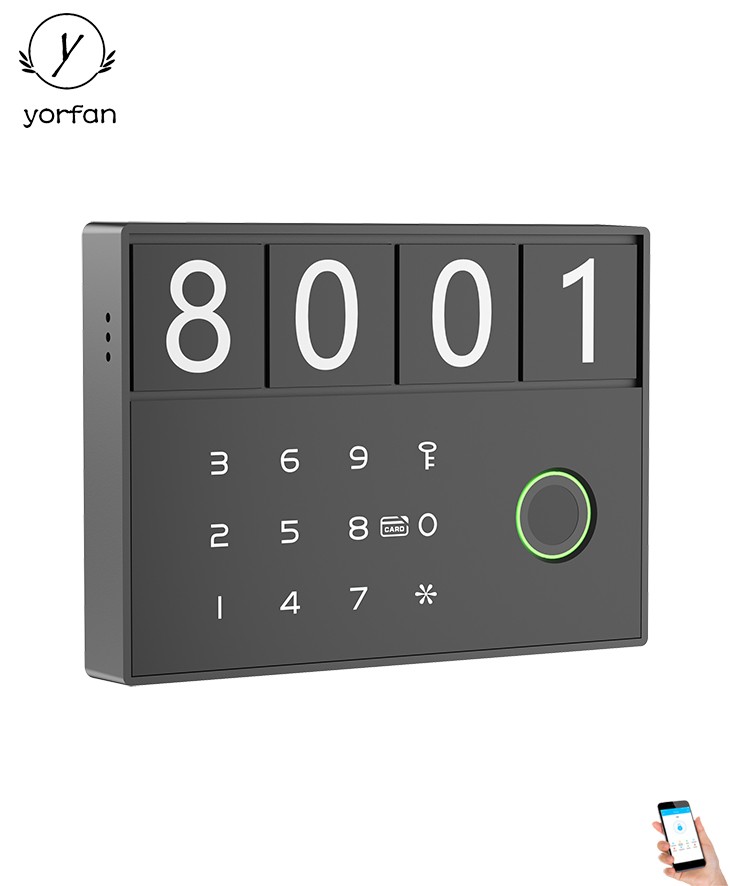
Key Features of Electronic Door Locks
Advanced Security: Electronic locks provide features such as anti-tamper alarms, auto-locking, and encrypted communication for superior protection.
Keyless Entry: Users can access doors via PIN codes, fingerprints, or mobile apps, reducing the risk of lost or duplicated keys.
Remote Control: Many models allow users to lock or unlock doors remotely, monitor access logs, and receive notifications through smart devices.
Integration: Electronic locks can be integrated with smart home systems, security cameras, and alarm systems for comprehensive protection.
Potential Drawbacks of Electronic Locks
Despite their advantages, electronic locks are dependent on power sources such as batteries or electricity. Battery failure or power outages can temporarily disable access unless backup systems are in place. Additionally, electronic locks tend to be more expensive and may require professional installation and regular software updates.
Mechanical vs. Electronic Door Locks: A Comparative Table
| Feature | Mechanical Door Locks | Electronic Door Locks |
|---|
| Operation | Manual (Physical Key) | Digital (PIN, Biometric, RFID, App) |
| Power Requirement | No | Yes (Battery/Electricity) |
| Security Level | Basic | Advanced (Encryption, Alarms) |
| Convenience | Low (Key Management) | High (Keyless, Remote Access) |
| Cost | Lower | Higher |
| Integration | Limited | Smart Home Compatible |
Choosing the Right Lock for Your Needs
Selecting the right door lock depends on various factors, including security requirements, budget, and desired convenience. Mechanical locks are ideal for those who prefer simplicity and reliability, while electronic locks cater to tech-savvy users seeking advanced features and smart integration.
YORFAN’s Recommendations
Residential Use: For homes, YORFAN recommends electronic locks for main entrances and mechanical locks for internal doors. This combination balances convenience and cost.
Commercial Use: Businesses benefit from electronic locks with access control and audit trails, enhancing security and management efficiency.
Multi-Family Buildings: Smart locks streamline access for residents and property managers, reducing the need for physical key distribution.
Smart Lock Manufacturer: YORFAN’s Commitment to Innovation
As a leading smart lock manufacturer, YORFAN invests in research and development to deliver cutting-edge electronic lock solutions. Our products combine robust hardware with intuitive software, offering seamless integration with smart home ecosystems. Whether you need a simple keypad lock or a sophisticated biometric system, YORFAN provides reliable options tailored to your security needs.
Latest Trends in Smart Lock Technology
The smart lock industry is evolving rapidly, with innovations such as voice-activated unlocking, AI-powered threat detection, and cloud-based access management. YORFAN’s latest models incorporate these features, ensuring customers benefit from the highest levels of security and convenience.
Mechanical Door Lock: Still Relevant in the Digital Age?
Despite the rise of electronic locks, the mechanical door lock remains a popular choice for many. Its proven reliability, ease of use, and cost-effectiveness make it suitable for applications where simplicity is paramount. For secondary doors, storage rooms, or areas with limited access, mechanical locks continue to offer dependable protection.
Electronic Door Lock: The Future of Access Control
The electronic door lock is increasingly viewed as the future of access control. With features like remote unlocking, user management, and integration with mobile devices, electronic locks deliver unmatched convenience and security. YORFAN’s smart lock solutions empower users to take control of their property’s access, adapting to modern lifestyles and business needs.
Conclusion: Making an Informed Choice
The difference between mechanical and electronic door locks lies in their operation, security features, and adaptability to modern needs. YORFAN, as a trusted smart lock manufacturer, recommends evaluating your specific requirements before making a decision. Whether you opt for the time-tested reliability of mechanical locks or the innovative capabilities of electronic locks, investing in quality products ensures peace of mind and lasting protection.
For more information about YORFAN’s range of smart locks and expert advice on securing your property, contact our team or visit our website today.
Tags:smart lock,electronic locker lock,password locker lock,bluetooth locker lock