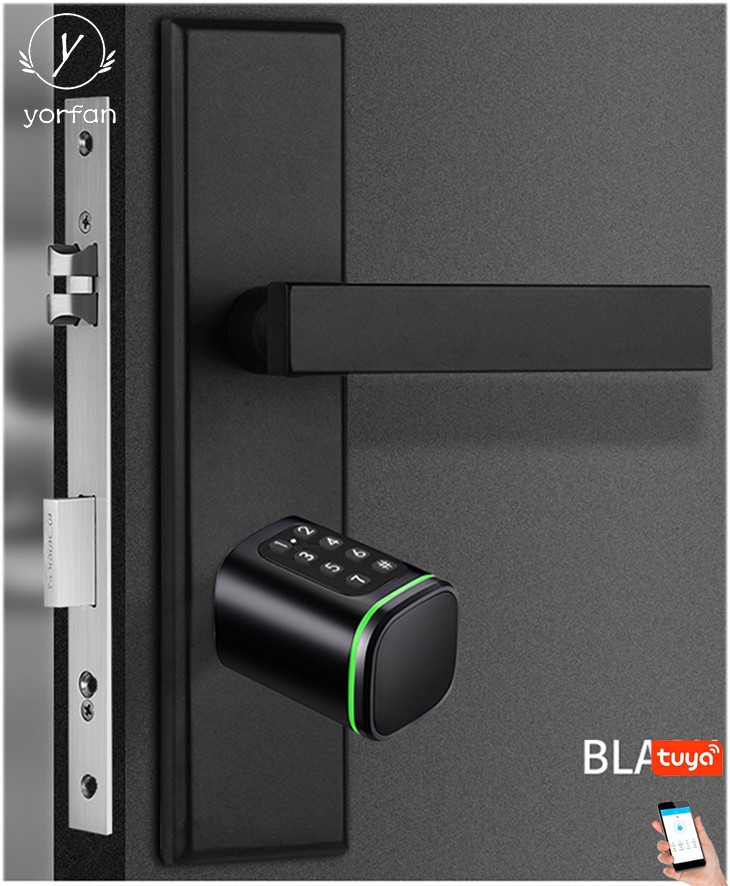
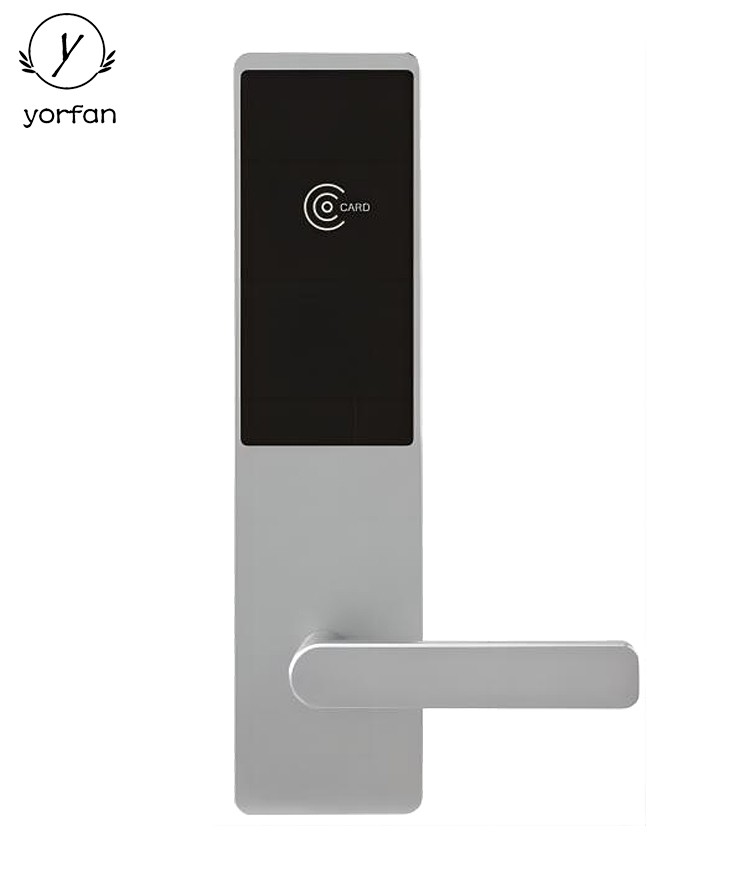
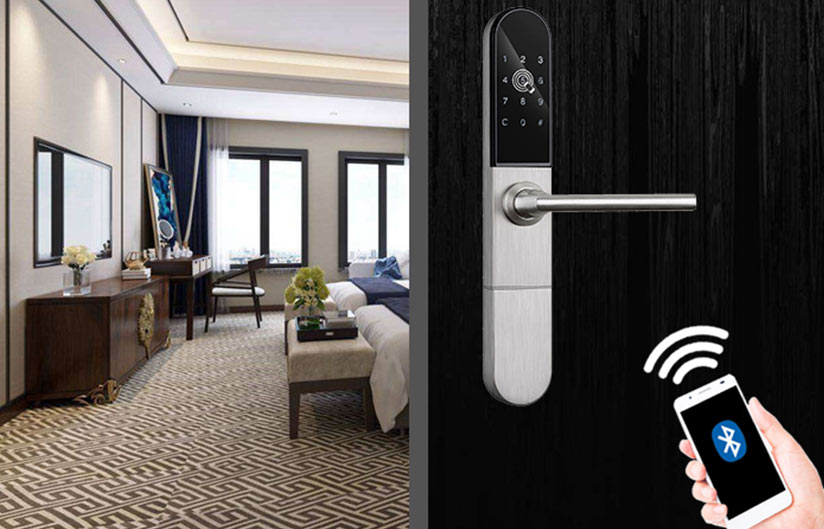
Bluetooth smart locks, such as those manufactured by YORFAN, represent a leap forward in home security and convenience. Using robust protocols like 128-bit AES encryption and multi-factor authentication, these locks offer strong resistance against common hacking attempts, including Bluetooth sniffing and replay attacks. Physical tamper sensors and frequent firmware updates further enhance their defense mechanisms.
YORFAN distinguishes itself by integrating advanced features such as biometric authentication and focusing on IoT security, ensuring that its locks are not only secure individually but also as part of a wider smart home ecosystem. Regular audits and proactive support play a key role in maintaining customer safety.
While no device is entirely immune to hacking, the combination of technical innovation, best practices, and user education makes Bluetooth smart locks from YORFAN a highly secure choice. Looking to the future, YORFAN continues to innovate with blockchain identity verification and AI-driven threat detection, solidifying its reputation as an industry leader in smart lock security.
In summary, Bluetooth smart locks can theoretically be hacked, but with YORFAN’s layered protections and ongoing vigilance, the risk is exceptionally low, making them a trustworthy solution for modern homes and offices.
Can a Bluetooth Smart Lock Be Hacked? An In-Depth Analysis by YORFAN
As the world rapidly embraces smart home technology, security concerns are at the forefront of every consumer's mind. Bluetooth smart locks, such as those manufactured by YORFAN, offer a compelling blend of convenience, connectivity, and advanced security. Yet, alongside these advantages, owners often ask: Can a Bluetooth smart lock be hacked? In this article, we will explore the reality behind smart lock security, debunk myths, and offer actionable advice to keep your home safe.
Understanding Bluetooth Smart Locks
Bluetooth smart locks are electromechanical locks that use Bluetooth Low Energy (BLE) protocols to communicate with smartphones or other authorized devices. YORFAN, a leading smart lock manufacturer, has pushed the boundaries of lock design to create robust, feature-rich products that give homeowners peace of mind. The ability to lock and unlock doors via mobile applications, share digital keys, or monitor access logs has transformed the way we view entry security.
undefined
Main Features of YORFAN Bluetooth Smart Locks
Keyless Entry
Remote Access and Monitoring
Temporary and Scheduled Digital Keys
Integration with Smart Home Ecosystems
These features are powered by Bluetooth technology, which, while convenient, opens up new vectors for security assessment and, potentially, attack.
At the core of YORFAN's smart lock security lies encrypted communication. Whenever a user attempts to unlock the device, the mobile app and the lock engage in a secure handshake using cryptographic keys. The BLE protocol is designed to minimize risks by keeping communication local and requiring proximity for access.
Security Protocols Employed by YORFAN
128-bit AES Encryption: Protects data during transmission
Two-Factor Authentication: Adds an additional layer of user verification
Firmware Update Mechanisms: Ensures vulnerabilities can be patched remotely
Given these protections, many users believe their locks are immune to hacking—but is that entirely accurate?
Can a Bluetooth Smart Lock Be Hacked?
Theoretically, any device with wireless communication can be compromised. The main risks for Bluetooth smart locks include:
Bluetooth Sniffing: Attackers attempt to intercept the BLE communication between the lock and the authorized device. However, robust encryption (like YORFAN’s implementation) makes this exceedingly difficult.
Replay Attacks: An intruder records the unlocking signal and tries to replay it. Countermeasures such as tokenization and time-lock mechanisms largely mitigate this.
Physical Tampering: If a hacker gains physical access to the smart lock, there’s a risk they could attempt to reset or reprogram it. YORFAN’s anti-tamper sensors and alarms help reduce this threat.
App Vulnerabilities: If the companion app contains security flaws—such as poor credential storage—it could potentially be exploited. YORFAN’s apps are rigorously tested and frequently updated to prevent such weaknesses.
While these attack vectors sound concerning, real-world breaches are rare when the manufacturer, like YORFAN, follows industry best practices and regularly updates device firmware and app security.
Latest Innovations in Bluetooth Smart Lock Security
YORFAN continuously invests in research and development to stay ahead of threats. The company has integrated advanced security features such as biometric verification, AI-powered anomaly detection, and dedicated emergency override systems.
Security Keyword Insert: Biometric Authentication
Biometric authentication is one of the hottest trends in smart home security. By leveraging fingerprint or facial recognition, YORFAN smart locks can ensure that only authorized individuals gain entry, drastically reducing the risk of unauthorized access even if the Bluetooth channel is compromised.
Security Keyword Insert: IoT Security
IoT security is a rapidly evolving field. As smart locks become more interconnected with other household devices, YORFAN focuses on end-to-end encryption and strict access controls to prevent vulnerabilities from spreading throughout the smart home network. Regular security audits and adherence to IoT industry standards set YORFAN apart from other manufacturers.
Case Studies: Real-World Hacking Attempts
While the news occasionally features stories about smart locks being hacked, most incidents fall into two categories:
Poorly maintained devices with outdated firmware
Locks from manufacturers that cut corners on security protocols
YORFAN has not been implicated in any major breach cases, thanks to its commitment to frequent updates and transparent security practices. Independent penetration testers have praised YORFAN smart locks for their resistance to common attacks, with only theoretical exploits requiring extensive resources and physical access.
How YORFAN Protects You Against Hackers
Security Feature
Description
Encrypted Bluetooth Protocol
Prevents eavesdropping during signal exchange
Automatic Firmware Updates
Patches vulnerabilities promptly across all deployed devices
Multi-Factor Authentication
Blocks unauthorized users, even if passwords are compromised
Physical Anti-Tamper Sensors
Triggers alarms during unauthorized physical manipulation
Furthermore, all YORFAN customers have access to 24/7 support and security advisories, ensuring that any emerging threats are swiftly addressed.
Best Practices for Bluetooth Smart Lock Owners
Regularly update your lock’s firmware via the official YORFAN app
Enable biometric authentication if available
Choose strong, unique passwords for the mobile app
Use two-factor authentication for account access
Monitor access logs and enable notifications for unusual activity
Avoid pairing your lock with unknown or untrusted devices
Awareness and proactive steps are as crucial as the built-in protections. YORFAN’s robust design empowers users to take control of their home security and stay ahead of cyber threats.
The Future of Bluetooth Smart Lock Security
Emerging technologies, such as quantum-resistant cryptography and AI-driven threat detection, are expected to further bolster smart lock security. YORFAN is already testing next-generation solutions in its labs, aiming to maintain its leadership position as the most secure smart lock manufacturer in the market.
What's Next for YORFAN?
Integration with blockchain-based identity verification
Real-time vulnerability scanning and cloud-based threat response
Expansion of biometric modalities (palm vein, iris scan)
With these innovations on the horizon, the odds of a successful hack diminish even further, giving homeowners confidence in their smart security investments.
Conclusion: Should You Trust Bluetooth Smart Locks?
Bluetooth smart locks, when designed and supported by reputable manufacturers like YORFAN, are highly resilient against hacking attempts. While no technology is entirely invulnerable, layered defenses, continuous improvement, and user awareness combine to make modern smart locks a trustworthy choice for securing homes and offices.
The key takeaway is simple: with YORFAN, you benefit from top-tier engineering, constant security updates, and a customer-first approach. As Bluetooth smart locks become more common, YORFAN remains dedicated to protecting your most valuable spaces from both digital and physical threats.
Related Reading
The Role of Biometric Authentication in Modern Smart Locks
Why IoT Security Is Crucial for Smart Home Devices
YORFAN’s Top Tips for Preventing Smart Lock Hacks
For more information, visit YORFAN's official website and explore our comprehensive guides on smart lock security and home automation best practices.